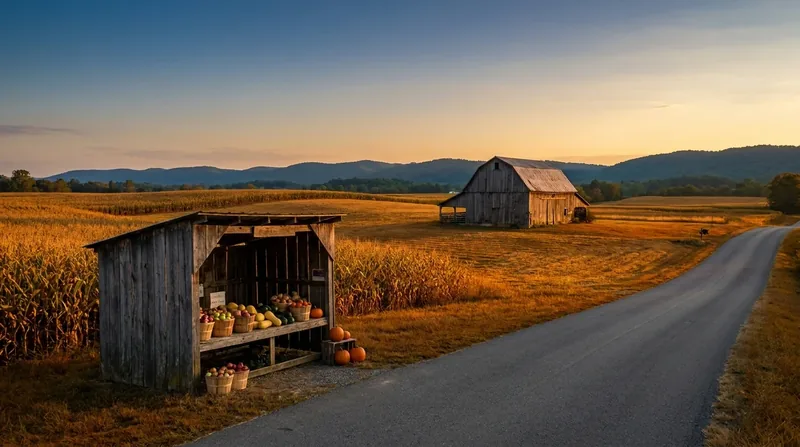
How to Start a Farm Business in Tennessee
How to Start a Farm Business in Tennessee
Starting a farm business in Tennessee gives you access to substantial agricultural tax exemptions, favorable laws for agritourism, and established markets for specialty products like eggs and raw milk. Whether you're planning a small backyard operation or a larger commercial farm, Tennessee's agricultural infrastructure and tax incentives make it an attractive state for farmers. This guide walks you through the key steps, regulatory requirements, and financial advantages you need to understand before launching your farm business.
Understand Tennessee's Agricultural Tax Benefits
Tennessee offers significant tax advantages that can reduce your operating costs substantially. The most important benefit is understanding how the greenbelt law Tennessee provides to qualify your land for preferential assessment.
The Greenbelt Law and Agricultural Property Tax Exemption
Tennessee's greenbelt law allows agricultural land to be assessed at its agricultural use value rather than its fair market value for property tax purposes. This can result in property tax bills that are 50% to 80% lower than standard assessments, making it one of the largest cost savings available to Tennessee farm tax exemption holders.
To qualify for the tennessee farm tax exemption under the greenbelt law, your land must generally meet these criteria:
- Be used primarily for agricultural production (crops, livestock, timber, or horticultural activities)
- Meet minimum acreage requirements set by your county (typically 5 to 10 acres)
- Generate a minimum gross agricultural income annually (thresholds vary by county, often $1,000 to $3,000)
- Be actively farmed by the owner or a tenant
- Be maintained in agricultural use (no subdivision or development)
Contact your county property assessor's office immediately to learn your county's specific acreage and income thresholds. Since requirements vary significantly by county, you must confirm local rules before finalizing your property purchase or lease. The application process is typically straightforward, but you must apply formally, not assume your property qualifies automatically.
Federal and State Agricultural Incentives
Beyond property tax exemptions, Tennessee farmers may qualify for federal Farm Service Agency loans, conservation cost-share programs, and federally subsidized crop insurance. The Tennessee Department of Agriculture administers grants and incentive programs for farmers implementing soil conservation, water management, or environmental stewardship practices. Check the Tennessee Department of Agriculture website at https://www.tn.gov/agriculture.html and contact your county Farm Service Agency office for current available programs and application deadlines.
Choose Your Farm Business Type
The type of farming you pursue directly affects your licensing requirements, regulatory compliance, market opportunities, and profitability. Before registering your business, understand which category or categories your operation falls into.
Common Farm Business Types in Tennessee
- Crop production: Grains, vegetables, hay, field crops, and specialty crops like berries or herbs
- Livestock production: Cattle, poultry, sheep, goats, horses, or alternative species like alpacas and emus
- Direct-to-consumer specialty products: Selling eggs, raw milk, honey, maple syrup, cheese, or other processed foods directly to end consumers
- Christmas tree farm Tennessee: Growing and harvesting trees specifically for the holiday season, a growing agricultural specialty in Tennessee
- Agritourism Tennessee operations: Farm tours, u-cut Christmas trees, pick-your-own orchards or farms, corn mazes, hayrides, farm-to-table dining, farm stays, or educational workshops
- Value-added products: Producing processed foods like jams, baked goods, or prepared meals using farm ingredients
Each type has different regulatory requirements and compliance pathways. If you plan to sell directly to consumers, your licensing and food safety obligations will differ from wholesale agricultural production. If your farm includes agritourism activities, liability insurance and specific safety measures become non-negotiable.
Register Your Farm Business with Tennessee
Before you can legally operate your farm and take tax deductions, you must register your business with the state and appropriate federal agencies.
Step 1: Choose Your Business Structure
Most Tennessee farmers operate as sole proprietorships because they're simple and affordable. However, you can also form a Limited Liability Company (LLC) or a corporation. The tennessee farm tax exemption property tax benefit applies regardless of your chosen business structure. Consider forming an LLC if you want personal liability protection or have significant assets to protect. Consult with a tax professional or attorney about which structure makes the most sense given your farm's size, products, and risk profile.
Step 2: Register Your Business Name (If Operating Under a Doing Business As Name)
If you operate under a business name different from your personal legal name, you must file an Application for Registration of Assumed Name (Form SS-4402) with the Tennessee Secretary of State. The filing fee is $20. You can file online through the Tennessee Secretary of State portal at https://sos.tn.gov/businesses. Processing occurs quickly, and you can begin using your business name immediately after filing.
If you're forming an LLC, you'll file Articles of Organization instead. The LLC filing fee in Tennessee is $300, and you must maintain a registered agent and registered office in Tennessee at all times (a post office box does not satisfy this requirement).
Step 3: Obtain a Federal Employer Identification Number (EIN)
You need a federal EIN from the IRS for business tax purposes, even if you have no employees. An EIN is free to obtain and typically takes five to ten minutes to apply for online at https://www.irs.gov/ein. You can receive your number electronically immediately after application. Some sole proprietors use their Social Security number on Schedule C tax forms, but an EIN keeps your personal and business finances separate and is strongly recommended.
Step 4: Register for State Taxes
Register with the Tennessee Department of Revenue through the Tennessee Tax Payer Account Portal (TNTAP) at https://www.tn.gov/revenue.html. This registration covers state income tax and ensures you receive tax forms and notices. If you're selling tangible products like eggs, honey, milk, vegetables, or other goods, you must obtain a sales tax permit. Register online at https://www.tn.gov/revenue/taxes/sales-and-use-tax/registration.html. Tennessee's state sales tax rate is 7%, and many counties and cities add local option sales tax, bringing the total to 8.5% to 10% depending on your location.
Step 5: Obtain County and Municipal Business Licenses
While Tennessee issues no single statewide business license, most counties and municipalities require local business licenses or permits. Register with your county clerk and your city or municipal clerk (if applicable). Requirements and fees vary significantly by location. Farmers with gross receipts under $100,000 may qualify for a minimal activity license with lower fees. Contact your county clerk's office before operations begin to learn the specific requirements in your jurisdiction and to understand any annual renewal requirements or fees.
Comply with Tennessee's Agricultural Product Regulations
If you're selling eggs, raw milk, honey, or other agricultural products directly to consumers, you face specific regulatory requirements set by the Tennessee Department of Agriculture and local health departments.
How to Sell Eggs in Tennessee
Tennessee allows farmers to sell eggs directly to consumers under specific conditions without a commercial license. Generally, you can sell eggs from your own farm if you meet these criteria:
- You keep 30,000 or fewer laying hens
- You sell directly to the end consumer (not to retail stores, restaurants, or wholesale distributors)
- You mark all containers with your farm name, address, phone number, and the packing date
- You maintain production records and retain them for inspection
- You store eggs at 45 degrees Fahrenheit or below
Contact the Tennessee Department of Agriculture, Division of Food and Agriculture at https://www.tn.gov/agriculture.html to confirm current regulations and any recent changes. Your county health department may also have local requirements or inspections, so confirm those requirements as well.
Raw Milk Tennessee: Regulations and Requirements
Tennessee permits the sale of raw (unpasteurized) milk directly to consumers, but only under strict regulatory conditions. Before producing raw milk Tennessee for commercial sale, you must understand that the state maintains stringent testing, equipment, and labeling requirements. You will need to have your milk tested regularly by an approved laboratory, maintain specific equipment standards (including clean milking facilities and proper storage at designated temperatures), follow specific labeling requirements that disclose the milk is raw, and maintain detailed production and testing records.
Federal law prohibits interstate sales of raw milk, so you can only sell within Tennessee borders. The exact permit requirements, testing protocols, and equipment standards for raw milk Tennessee sales are set by the Tennessee Department of Agriculture and may change based on health and safety considerations. Before producing raw milk for sale, contact the department directly to confirm current permit requirements, required testing frequency, and approved laboratory facilities in your area.
Other Direct-to-Consumer Products
Honey and fresh vegetables sold in their natural state typically have minimal regulatory requirements when sold directly to consumers from your farm or at farmers' markets. However, if you process foods (making jam, salsa, baked goods, or other value-added products), you typically must use a commercial kitchen or a licensed home-based food operation approved by your county health department. Requirements vary based on the specific product and whether it's acidified, shelf-stable, or potentially hazardous. Contact the Tennessee Department of Health and your county health department to determine requirements for your specific products.
Set Up Agritourism Operations
Agritourism Tennessee businesses like farm tours, pick-your-own operations, u-cut Christmas tree farms, hayrides, farm camps, and farm dining events have become significant income sources for Tennessee farmers.
Tennessee Agritourism Law Protections
Tennessee's agritourism law provides liability protections to farmers offering recreational activities on their farms. The tennessee agritourism law shields farmers from certain lawsuits if visitors are injured during agritourism activities, provided you post required warning signs and follow reasonable safety practices. However, these protections do not apply if you are found to be grossly negligent, if you fail to maintain your property safely, or if you engage in willful or wanton misconduct. Liability protections are not absolute, so they should never replace proper insurance and safety practices.
Obtain Agritourism Liability Insurance
Even with legal protections, you must obtain comprehensive agritourism liability insurance. Standard homeowner's policies specifically exclude business activities and will not cover agritourism operations. Work with an insurance agent experienced in agricultural businesses to obtain a policy covering bodily injury, property damage, and activity-specific exposures. Typical agritourism liability coverage includes farm tours, pick-your-own operations, hayrides, petting zoos, u-cut Christmas tree operations, and farm dining. Premiums vary based on the activities offered and your farm's size and location.
Safety Requirements and Best Practices
If you offer agritourism activities, you must:
- Post clear warning signs about farm hazards (machinery, animals, natural terrain) and inform visitors of the inherent risks of farm activities
- Maintain equipment, machinery, facilities, and pathways safely and in good repair
- Disclose known hazards and inherent risks to visitors before activities begin
- Supervise visitors appropriately, especially children and those unfamiliar with farm environments
- Follow activity-specific safety codes and best practices (hayride safety, petting zoo sanitation, tree-cutting protocols, etc.)
- Have emergency contact information readily available and ensure staff know basic first aid
Obtain Specific Licenses, Permits, and Certifications
Depending on your farm's specific operations, you may need additional licenses, permits, or certifications from state and federal agencies:
- Livestock licenses and health certificates: Some farm animals require permits, vaccination records, or health certificates from the Tennessee Department of Agriculture, Division of Animal Health. Contact the department before purchasing livestock.
- Aquaculture permits: If raising fish, crawfish, or other aquatic species, check with the Tennessee Wildlife Resources Agency for required permits and regulations.
- Pesticide applicator certification: If you apply pesticides or herbicides commercially, you must obtain a pesticide applicator license from the Tennessee Department of Agriculture after passing a certification exam.
- Water use permits: Large-scale irrigation or water withdrawals may require permits from the Tennessee Division of Water Supply and Wastewater.
- Environmental and waste management permits: Large animal operations, manure management systems, and concentrated animal feeding operations may require environmental permits from the Tennessee Division of Water Supply and Wastewater.
- Food processing permits: If producing value-added products, you may need permits from your county health department.
Contact the Tennessee Department of Agriculture at https://www.tn.gov/agriculture.html, your county extension office, and your county health department to determine which licenses and permits apply to your specific operation.
Develop a Business Plan and Keep Financial Records
A solid business plan helps you secure financing, understand profitability, and stay organized throughout your farm's lifecycle. Your plan should include:
- A detailed description of your farm operation, products, and target markets
- Market analysis, competition research, and realistic sales projections
- Complete startup costs and ongoing annual operating expenses
- A marketing and sales strategy with pricing analysis
- Three to five year financial projections with monthly details in year one
- Contingency plans for crop failure, disease, or market downturns
From day one, maintain detailed financial records. Track all income and expenses, keep receipts and invoices, record inventory, document equipment purchases, and maintain tax-deductible expense logs. Good record-keeping is essential for accurate tax filing and can help you identify which farm activities generate the highest profit margins, allowing you to allocate resources more effectively.
Common Mistakes to Avoid
- Don't assume your property qualifies for agricultural exemption automatically. You must apply formally with your county assessor. Different counties have different acreage and income thresholds that must be met and verified.
- Don't skip liability insurance. Even without agritourism activities, liability coverage protects you if someone is injured on your property.
- Don't sell directly to retailers without checking licensing requirements. Many direct-to-consumer exemptions (like for eggs) don't apply if you're selling to stores or restaurants instead.
- Don't ignore local county and municipal regulations. What's permitted in one county may be prohibited in another. Always confirm local requirements before starting operations.
- Don't operate without proper business registration and tax ID. Operating informally limits your ability to deduct business expenses, may result in penalties, and prevents you from accessing agricultural programs and loans.
- Don't overlook the need for a qualified CPA or tax professional. Farm accounting involves depreciation, equipment purchases, capital gains, and agricultural tax credits that are complex. A professional familiar with agricultural businesses can save you thousands annually.
- Don't neglect record-keeping. Inadequate records during a tax audit can result in disallowed deductions and substantial penalties.
Action Plan: First 30 Days
Here's a practical timeline for launching your Tennessee farm business:
- Contact your county property assessor to confirm if your land qualifies for the greenbelt law tennessee agricultural exemption and obtain the application form.
- Decide on your farm business type and primary products (decide between crops, livestock, agritourism, direct sales, or a combination).
- If operating under a business name, register with the Tennessee Secretary of State ($20 DBA filing fee at https://sos.tn.gov/businesses).
- Apply for a federal EIN from the IRS online at https://www.irs.gov/ein (free, takes 10 minutes).
- Register with the Tennessee Department of Revenue for sales tax if selling tangible products at https://www.tn.gov/revenue/taxes/sales-and-use-tax/registration.html.
- Contact your county and municipal clerk to obtain required local business licenses and understand annual requirements.
- Contact the Tennessee Department of Agriculture to confirm product-specific requirements for eggs, raw milk, or value-added products.
- Consult with a CPA experienced in agricultural businesses about farm accounting, tax structure selection, and deductible expenses.
- If offering agritourism activities, research liability insurance options and begin comparing quotes from carriers.
- Read your county's zoning regulations to confirm your planned farm use is permitted.
Resources and Next Steps
- Tennessee Secretary of State Business Services: https://sos.tn.gov/businesses
- Tennessee Department of Revenue: https://www.tn.gov/revenue.html
- Tennessee Department of Agriculture: https://www.tn.gov/agriculture.html
- USDA Farm Service Agency, Tennessee District: https://www.fsa.usda.gov/
- Tennessee Small Business Development Center: https://www.tsbdc.org/
- SBA Tennessee District Office: https://www.sba.gov/district/tennessee
- Federal EIN Application (IRS): https://www.irs.gov/ein
Disclaimer
This article is informational only and should not be construed as legal or tax advice. Agricultural regulations, tax laws, property assessment rules, and agritourism liability standards vary by county and are subject to change. Requirements mentioned in this guide reflect information current as of publication but may not reflect recent regulatory updates or county-specific variations. Before making significant decisions about your farm business, consult with a qualified attorney licensed in Tennessee and a CPA or tax professional who specializes in agricultural businesses. This guide is educational in nature and does not replace professional advice tailored to your specific situation.