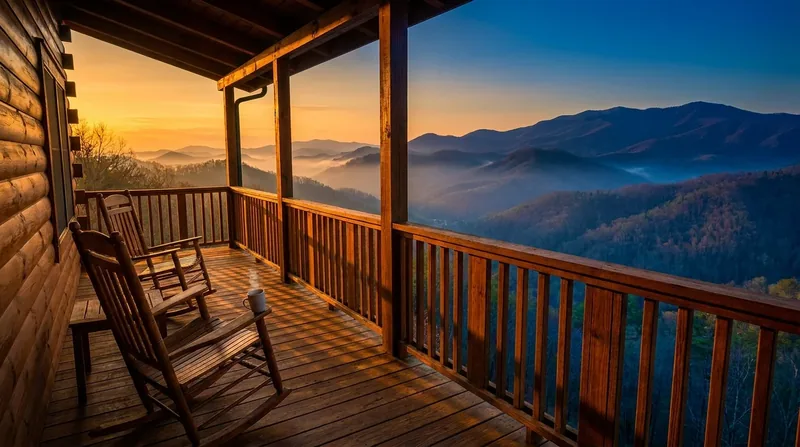
How to Start a Campground or Glamping Business in Tennessee
How to Start a Campground or Glamping Business in Tennessee
Starting a campground or glamping business in Tennessee offers real opportunity: the state has no personal income tax, growing tourism in cities like Nashville and the Gatlinburg area, and increasing demand for outdoor accommodations. But the path from idea to operating business is regulatory and detailed. This guide walks you through the essential steps, exact processes, and where to find the specific permit fees and requirements for your county.
Step 1: Choose Your Business Structure and Register with the State
Before you acquire property or apply for permits, you need a legal business entity. Your choice affects taxes, personal liability, and administrative overhead.
LLC vs. Corporation: Which is right for you?
A Limited Liability Company (LLC) is the most common choice for campground and glamping operators. It provides personal liability protection, is simpler to operate than a corporation, and has flexible tax treatment. Tennessee LLCs pay no personal income tax on profits passed through to owners, and the state has relatively straightforward formation.
A For-Profit Corporation offers the same liability shield but requires more formality (board meetings, annual records). It's less common for single-owner or small-partnership campground businesses.
File Articles of Organization with Tennessee Secretary of State
To form an LLC in Tennessee:
- Confirm your business name is available. Search existing names at the Tennessee Secretary of State business search portal: https://tncab.tnsos.gov/portal/business-entity-search. Your name must include "Limited Liability Company," "LLC," or "L.L.C." and be distinguishable from names already on file. If your chosen name is too similar to an existing name, you can apply for an exception with an additional $20 fee.
- Prepare Articles of Organization (Form SS-4270). This form includes your business name, registered agent and office address (must be a Tennessee street address, not a P.O. box), member names, and management structure. Download the form at https://sos-prod.tnsosgovfiles.com/s3fs-public/document/SS-4270.pdf.
- File with the Secretary of State. File online through TNCaB (https://tncab.tnsos.gov/portal), by mail, or in person at the Snodgrass Tower customer service counter in Nashville. The filing fee is $300 for both e-file and paper submissions. Tennessee does not offer expedited filing for LLCs.
- Obtain your Employer Identification Number (EIN). Once your LLC is formed, apply for an EIN from the IRS at https://www.irs.gov/ein. This is free and required if you have employees or file business taxes. You can apply online and receive your number immediately.
Timeline: Allow 1 to 2 weeks for mail processing if filing by post. Online filing through TNCaB is submitted the same day.
Step 2: Select Your Property and Verify Zoning and Land Use
Your property location determines much of your regulatory path. Campgrounds and glamping properties have specific zoning and land-use requirements that vary by county and municipality.
Check zoning and permitted uses
Before purchasing or leasing property:
- Contact your county planning and zoning department. Tell them exactly what you plan to operate: "a campground with [RV sites, tent sites, glamping structures]" or "a bed and breakfast operation." Ask which zoning districts allow your use as a permitted use (allowed without special approval) or conditional use (allowed with specific approval).
- Obtain a zoning map and property report. Most counties post these online or provide them at the planning office. Confirm your property's current zoning and what uses are allowed.
- If your property is not zoned for campground or hospitality use, determine whether you can apply for a zoning variance or conditional-use permit. These are possible but add cost and timeline (typically 30 to 90 days) and are never guaranteed.
- Review local comprehensive plans. Some counties have adopted sustainability or growth plans that restrict new commercial properties or hospitality uses in certain areas.
Mistake to avoid: Many prospective operators buy property first, then discover it cannot be rezoned or used for a campground. Verify zoning before signing a purchase agreement.
Step 3: Determine Local Permit and Licensing Requirements
Tennessee does not issue a single statewide campground or glamping license. Instead, permits and licenses are issued by local health departments, county environmental services, and municipal governments. Requirements vary significantly by location, so your next step is to contact your county health department and local planning office for a detailed checklist.
Contact your county health department
Call your county health department (search online for "[County name] health department") and ask for the specific requirements for your type of operation. Expect to ask about:
- Water and sewer system requirements (connection to public systems, approved wells and septic systems, water testing and inspection protocols)
- Sanitation facilities (number and type of toilets, shower facilities, laundry facilities)
- Waste management (trash collection, recycling, hazardous waste handling)
- Food service licensing if you plan to serve food or operate a restaurant or cafe
- Inspections required before you open and ongoing compliance inspections
- Application fees and processing timelines
Check local building and fire codes
Your structures (cabins, glamping units, office, bathhouses) must meet building codes adopted by your county or city. Contact your local building department or inspections office to understand:
- Which building code is in effect (most Tennessee jurisdictions adopt the International Building Code with local amendments)
- Setback requirements (distance from property lines, roads, water bodies)
- Square-footage and design limits for tent platforms, yurts, glamping pods, or cabins
- Fire-access road requirements (width, surface, turnaround space for fire trucks)
- Electrical, plumbing, and mechanical system standards
- Inspection schedules and permit fees
Understand RV park specific requirements (if applicable)
If you plan to accept RVs, ask your health department specifically about RV park requirements. These typically include:
- Pad size and spacing between RVs
- Electrical, water, and sewer hookup standards (full hookups vs. partial)
- Stormwater management and drainage
- Concrete or hard-surface pad requirements
- Annual inspection requirements
Bed and breakfast licensing: If you operate a bed and breakfast (owner-occupied with fewer than 10 rooms, typically), you may fall under different rules than a full-service inn or motel. Ask your health department whether you need a food service license, short-term rental license, or special B&B registration. Tennessee does not issue a state-level B&B license, but some municipalities do.
Step 4: Apply for Permits and Approvals
Once you understand the requirements, begin the application process. This step involves lead time and may involve multiple agencies.
File for zoning conditional use permit (if needed)
If your property requires a conditional-use permit, file with your county planning office. Expect to submit:
- A completed application form (provided by your planning office)
- A detailed site plan showing property lines, existing and planned structures, parking, utility lines, access roads, and landscaping
- A description of your proposed business, including hours of operation, number of sites/units, staffing, and expected traffic
- An application fee (varies by county, typically $200 to $500)
The planning office will schedule a hearing before a planning and zoning board or county commission. Allow 30 to 60 days for this process. Approval is not guaranteed and may come with conditions (traffic management, screening, noise limits, lighting restrictions).
Apply for health department permits
Submit an application to your county health department for operation of a food service facility (if applicable), sewage system approval, well permit, or other required permits. Include site plans, engineer reports (especially for septic or water systems), and proof of land ownership or lease. Processing typically takes 30 to 60 days. The health department may require modifications before approval.
Obtain building permits for structures
Before construction, obtain building permits from your county or city building department. Submit construction plans, electrical plans, and plumbing plans (often prepared by a designer or engineer). The building department will review for code compliance. Once approved, the permit allows you to build, but the building must pass inspections at different stages (foundation, framing, electrical rough-in, final).
Step 5: Register for Tennessee Taxes and Obtain a Sales Tax Permit
Tennessee has no personal income tax on business profits, but you must register for sales tax and franchise/excise tax if your business meets the threshold.
Register for sales tax
Most campground and glamping businesses collect sales tax on their accommodations. Register for a Tennessee sales tax permit through the Department of Revenue at https://www.tn.gov/revenue/taxes/sales-and-use-tax/registration.html. You can register online through the Tax and Revenue Online Services (TROS) portal. The state sales tax rate is 7 percent, but your county may add additional local tax. Permit registration is free.
Understand LLC franchise and excise tax
Tennessee LLCs are subject to a franchise tax (0.25 percent of Tennessee net worth, minimum $100 per year) and an excise tax (6.5 percent of Tennessee taxable income). An annual return is due by the 15th day of the fourth month after the end of your fiscal year (April 15 for a calendar-year LLC). File through the Department of Revenue.
Obtain an EIN if you have employees
As mentioned above, get an EIN from the IRS if you plan to hire staff. This is free and required for payroll and employment tax purposes.
Step 6: Secure Business Insurance and Establish Liability Protections
Campground and glamping operations carry significant liability risk. Guests can be injured, property can be damaged, and lawsuits can be costly.
Obtain general liability insurance
This covers bodily injury, property damage, and personal injury claims from guests or visitors. Typical coverage limits are $1,000,000 per occurrence and $2,000,000 aggregate. Costs vary based on size, location, and amenities but typically range from $1,500 to $5,000 per year.
Get property insurance
Insure your buildings, RV facilities, office, and equipment against fire, theft, weather, and other covered perils.
Consider additional coverage
Depending on your business model, add environmental liability, liquor liability (if you serve alcohol), management liability, or cyber liability coverage.
Verify property liability limits with your lender
If you finance your property, your lender will require minimum insurance limits. Confirm these requirements in your loan agreement before finalizing coverage.
Step 7: Plan Operations, Staffing, and Amenities
With legal structure, permits, and insurance in place, focus on the operational details that define your business.
Determine your site mix and pricing
Decide how many tent sites, RV sites, and glamping units you will operate. Research comparable properties in your region and similar markets to set competitive nightly rates. Average Tennessee campground rates range from $20 to $40 per night for tent or RV sites and $75 to $200 for glamping units, depending on location and amenities, but these vary widely.
Plan water, sewer, and utility infrastructure
Determine whether you will connect to public water and sewer (lowest hassle, highest cost) or install private systems (wells, septic, often more complex permitting). Calculate electrical hookup infrastructure for RV sites. Plan for water storage, backup generators, and emergency protocols.
Design guest facilities and amenities
Plan restrooms, shower houses, laundry facilities, office, storage, and any additional amenities (fire pits, pavilions, recreation areas). These affect both initial costs and ongoing operating expenses but significantly influence guest satisfaction and pricing.
Hire and train staff
Even small campgrounds require staff for check-in/check-out, maintenance, cleaning, and guest services. Budget for at least one full-time manager and part-time seasonal workers. Establish clear policies on guest behavior, noise, quiet hours, and facility use.
Step 8: Obtain Your Business License and Register with Your County
Tennessee issues no single statewide business license. Instead, you must register with your county (or city if located in an incorporated area) and pay a business registration fee.
Contact your county clerk or city clerk and ask for "business license registration" or "business tax registration." You will typically provide:
- Your LLC name and formation date
- Business address and type of business (campground, glamping, hospitality)
- Owner/manager information
- A registration fee (typically $15, varies by county and whether your gross receipts exceed certain thresholds)
Once registered, you may be required to display a license or certificate at your office or main entrance. Obtain and post this before opening to guests.
Step 9: Finalize Financial and Marketing Setup
Open a business bank account
Separate your personal finances from your business finances. Open a checking account under your LLC name. You will need your EIN and Articles of Organization. This account is used for all business expenses, income, and tax reporting.
Set up accounting and bookkeeping
Choose an accounting method (cash or accrual) and decide whether you will track finances yourself or hire a bookkeeper. Proper records are essential for tax filing and are required by law. Consider using accounting software like QuickBooks or consulting a CPA who specializes in hospitality businesses.
Develop your marketing and reservation system
Build a simple website that includes photos, rates, amenities, policies, and a way to take reservations. Use online listing sites like Airbnb, Booking.com, or specialized campground platforms to reach guests. Start building a social media presence on Facebook and Instagram several months before opening.
Common Mistakes to Avoid
- Skipping zoning verification: The single most common mistake is purchasing property before confirming it can be used for a campground or glamping business. Verify zoning first, always.
- Underestimating permit timelines: Permitting can take 90 to 180 days. Plan accordingly and don't commit to a guest opening date until permits are in hand.
- Minimizing infrastructure costs: Campgrounds have high per-site utility costs. Budget generously for water, sewer, electrical, road maintenance, and emergency reserves.
- Neglecting insurance: A single guest injury can cost tens of thousands in legal fees and damages. Proper insurance is non-negotiable.
- Ignoring local relationships: Build relationships with your county health department, planning office, and neighbors. Transparent communication prevents surprises and future conflicts.
Timeline and Next Steps
From idea to first guest typically takes 12 to 24 months:
- Months 1 to 3: Property selection, zoning verification, initial permit research
- Months 2 to 4: Business formation, conditional-use permit application (if needed)
- Months 4 to 8: Design, engineering, building permit application, permit approval
- Months 8 to 18: Construction, health department inspections, final approvals
- Months 18 to 24: Marketing, staffing, soft opening, official launch
Timeline varies significantly based on your location, property complexity, and whether conditional-use permits are required.
Resources and Contacts
- Tennessee Secretary of State: https://sos.tn.gov/businesses
- TNCaB (online filing): https://tncab.tnsos.gov/portal
- Tennessee Department of Revenue: https://www.tn.gov/revenue.html
- Sales Tax Registration: https://www.tn.gov/revenue/taxes/sales-and-use-tax/registration.html
- IRS EIN Application: https://www.irs.gov/ein
- Tennessee Small Business Development Center (TSBDC): https://www.tsbdc.org/ for free guidance on business planning and operations
- Your county health department (Google "[County name] health department")
- Your county planning and zoning office (Google "[County name] planning zoning")
Legal and Tax Disclaimer
This article is informational and does not constitute legal or tax advice. Campground and glamping business regulations vary by county and municipality in Tennessee. Before making major business decisions, consult with a qualified Tennessee business attorney about LLC formation, liability protection, and local permit requirements. Consult with a CPA or tax professional about franchise tax, sales tax, and federal income tax obligations specific to your business structure and situation. Costs, fees, and processing timelines provided are based on publicly available information but may change. Verify all fees and requirements directly with the relevant state and local agencies.
Disclaimer: This article is for informational purposes only. It is not legal or tax advice. Starting a campground or glamping business in Tennessee involves complex legal, tax, and regulatory issues that vary by location. Consult with a qualified attorney and CPA before proceeding.