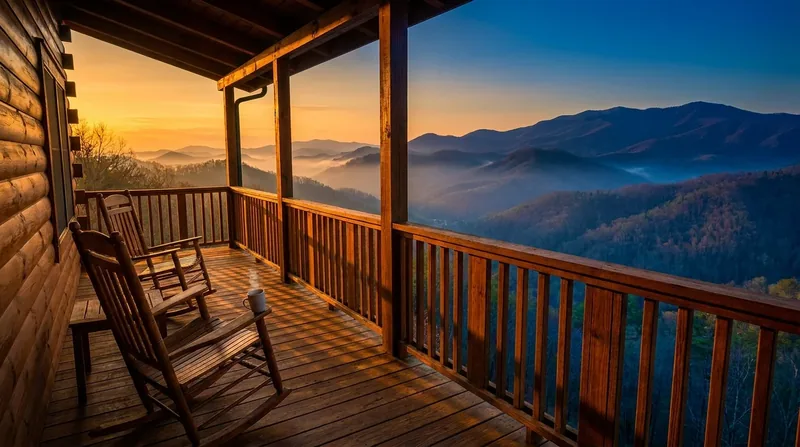
How to Start an Airbnb in Tennessee: STR Laws by City
How to Start an Airbnb in Tennessee: STR Laws by City
Tennessee's short-term rental market has grown significantly, but the rules vary dramatically by city. Nashville, Memphis, and Knoxville each enforce different standards for property registration, licensing, and occupancy. This guide walks you through Tennessee short-term rental laws by location and shows you exactly how to launch an Airbnb legally.
The Tennessee STR Landscape: What You Need to Know
Tennessee has no statewide short-term rental licensing requirement. Instead, regulations are set at the local level by cities and counties. Some municipalities embrace the vacation rental market, while others impose strict caps on STR licenses or prohibit them in certain neighborhoods.
Before you list a property, you must confirm the rules in your specific city or county. Operating without required permits exposes you to fines, enforcement action, and loss of rental income. Many hosts have discovered mid-season that their property sits in a restricted zone or their license was never valid.
Nashville STR Requirements: Davidson County
Nashville's STR market is the largest in Tennessee, but the city has tightened regulations in recent years. Davidson County requires a Short-Term Rental Registration Permit issued by the Metropolitan Planning Department.
Key Nashville STR Rules:
- Owner must occupy the property as primary residence or maintain it with annual owner presence.
- Maximum occupancy limits apply; confirm for your specific property zoning.
- Neighborhood or council district caps may apply; not all areas accept new STR permits.
- Properties must meet life safety codes and pass inspection.
- Registration permits require annual renewal.
To confirm current Nashville STR rules and application status, contact the Nashville Planning Department or check their online permitting system. Zoning and owner-occupancy rules change periodically, so do not assume prior guidance applies.
Memphis STR Requirements: Shelby County
Memphis permits short-term rentals but requires registration and compliance with Shelby County codes. The city has fewer restrictions than Nashville in many zones but enforces safety and noise standards closely.
Key Memphis STR Rules:
- STR properties must be registered with Shelby County.
- Owner-occupancy rules vary by zone; confirm your specific location.
- Noise and nuisance ordinances apply; tenant conduct can trigger violations.
- Parking, waste management, and visitor standards are enforced.
- Some neighborhoods may have HOA or historic district restrictions.
Check with the Shelby County Building Code Office and your city council district representative for current permitting procedures and any caps on new STR licenses in your area.
Knoxville, Chattanooga, and Other Major Cities
Knoxville and Chattanooga permit STRs with registration and compliance requirements. Both cities enforce safety codes and occupancy limits, though rules differ.
Knoxville: Requires STR registration through the Planning Department. Verify zoning compatibility and occupancy limits for your property address. Knox County Code Chapter 6 covers residential short-term rental rules.
Chattanooga: Permits STRs in most residential zones with registration. Verify noise ordinances, occupancy caps, and off-street parking requirements. Contact Chattanooga Planning and Zoning for current rules.
Other Cities (Clarksville, Murfreesboro, Franklin, Johnson City, etc.): Each municipality sets its own STR policy. Some allow STRs freely; others limit them or require specific zoning. Contact your local planning or zoning office before purchasing or listing any property.
Do not assume that because STRs are legal in one Tennessee city, they are legal in your specific property's location. City and county rules vary, and zoning restrictions can prohibit STRs even where the city allows them.
Materials and Documents You'll Need
Before you start an Airbnb in Tennessee, gather these essentials:
- Property deed and proof of ownership (or lease if you're renting).
- Current property address and parcel number for zoning verification.
- Building insurance policy (your standard homeowners or landlord policy likely does NOT cover STR activity).
- Business license (if your city or county requires one).
- STR registration permit or license (issued by your local planning or zoning department).
- Certificate of occupancy or proof the property meets building codes.
- Lease or consent from landlord (if you don't own the property).
- Tax identification documents (for reporting rental income to the IRS).
- House rules document (outlining guest expectations and noise/conduct policies).
Step-by-Step: How to Start an Airbnb in Tennessee
Step 1: Verify Local STR Regulations
Go to your city or county planning and zoning office website and search for short-term rental ordinances or vacation rental regulations. If information is not online, call the office directly. Ask:
- Are STRs permitted in my property's zoning district?
- Do I need a registration permit or license?
- Are there caps on the number of STR permits issued in my area?
- Is owner-occupancy required?
- What occupancy limits and safety codes apply?
- What is the application process and timeline?
Document the regulations and keep contact information for the office. You may need to reference them later if questions arise.
Step 2: Confirm Zoning Compliance
Check your property's zoning classification through your local assessor's office or GIS (Geographic Information System) map, usually available on your city or county website. Confirm that STRs are allowed in that zone. Some cities permit STRs in residential zones but prohibit them in certain neighborhoods or historic districts. Verify restrictions before investing in permits or marketing.
Step 3: Review Property Restrictions
If you own a condo, townhouse, or property in a homeowners association (HOA), review your covenants, conditions, and restrictions (CC and Rs). Many HOAs prohibit STRs entirely or impose their own approval process. Some require you to reserve on-site parking or limit occupancy. Read these documents carefully; violating HOA rules can result in fines or legal action, regardless of city law.
If you're renting the property, confirm with your landlord that STR activity is allowed under your lease. Most standard leases prohibit it; you may need written consent or a lease amendment.
Step 4: Apply for Required Permits and Licenses
Submit applications to your local planning or zoning department for any STR registration, permit, or license required. Include:
- Completed application form (provided by your city or county).
- Proof of property ownership or landlord consent.
- Certificate of occupancy or recent property inspection report.
- Property floor plans and photos (sometimes required).
- Proof of liability insurance (see Step 5).
- Management plan describing how you'll handle guest conduct and complaints.
Processing times vary by city. Some approve permits within 2 to 4 weeks; others take several months, especially if inspections are required. Confirm timelines with your office and follow up if approval is delayed.
Step 5: Obtain Proper Insurance
Standard homeowners or landlord insurance does NOT cover short-term rental activity. You need a specialized STR or vacation rental insurance policy. Contact your existing insurer to ask about STR endorsements, or work with an agent who specializes in vacation rental coverage.
STR insurance typically covers:
- Property damage caused by guests.
- Liability claims if a guest is injured on your property.
- Loss of rental income if the property becomes uninhabitable.
- Theft or vandalism.
Many cities require proof of liability insurance before issuing an STR permit. Budget several hundred to over $1,000 annually for specialized coverage, depending on property value and occupancy.
Step 6: Ensure Building Code and Safety Compliance
Your property must meet applicable building, electrical, and fire codes. Many STR programs require a third-party inspection or proof of code compliance before permit approval. Common requirements include:
- Working smoke detectors in bedrooms and common areas.
- Carbon monoxide detector if heating sources are present.
- Fire extinguishers in kitchen and bedrooms.
- Clear emergency exits and evacuation routes.
- Compliant electrical outlets and no overloaded circuits.
- Stairs and railings that meet code.
Address any deficiencies before submitting your permit application. Delaying safety upgrades will slow approval and create liability exposure once guests arrive.
Step 7: Register with the IRS and Obtain a Tax ID
Airbnb rental income is taxable. You must report it to the federal government and to Tennessee. If you're operating as a sole proprietor, you can report income on your personal tax return using your Social Security number. If you form a business entity (LLC or corporation), obtain an Employer Identification Number (EIN) from the IRS, even if you have no employees.
Airbnb will issue a 1099-NEC or 1099-MISC if your annual rental income exceeds reporting thresholds. Keep records of all rental income, expenses, and deductions (mortgage interest, property taxes, utilities, repairs, cleaning, maintenance, depreciation). You'll owe both federal and Tennessee taxes on net rental profit.
Step 8: List Your Property and Set House Rules
Create your Airbnb listing with clear photos, accurate descriptions, and competitive pricing. Include detailed house rules covering:
- Check-in and check-out times.
- Maximum occupancy and guest conduct expectations.
- Smoking and pet policies.
- Noise and quiet hours (often 10 PM to 8 AM).
- Parking and vehicle restrictions.
- No outside gatherings or parties.
- Damage responsibility and security deposit terms.
- Local STR registration number and owner contact information.
Clear expectations reduce conflicts and protect your property and business. Screen guests carefully, especially during early reviews, and respond promptly to any guest concerns.
Tennessee Taxes and Reporting Requirements
Tennessee has no state income tax on wages, but rental income is still reportable to the federal government. You must also pay self-employment tax if you're self-employed. Some cities require you to register for a local business license or sales tax permit if you provide utilities or services as part of the rental.
Airbnb collects and remits applicable lodging taxes in some jurisdictions. Confirm whether your city requires you to collect and remit lodging taxes separately, or whether Airbnb handles it. Failure to pay taxes can result in audits, penalties, and liens against your property.
Common Mistakes to Avoid
Mistake 1: Operating without a permit. Even if your neighbors don't complain, code enforcement can discover unpermitted STRs and issue fines. Legal operation starts with the right permits.
Mistake 2: Assuming one city's rules apply everywhere. Rules in Nashville do not apply to Memphis or Knoxville. Verify requirements for your specific location, not for Tennessee generally.
Mistake 3: Ignoring HOA restrictions. HOA prohibitions on STRs are enforceable even if your city allows them. Read your covenants carefully.
Mistake 4: Using standard homeowners insurance. Your insurer can deny claims if you're operating an STR without proper coverage. Get specialized insurance before you accept your first guest.
Mistake 5: Not screening guests or enforcing house rules. Problem guests drive up damage and create liability. Set clear expectations and be willing to decline bookings from guests with poor reviews.
Mistake 6: Failing to report rental income. The IRS tracks Airbnb payments. Unreported income invites audits. Report all rental income, even if it's under the 1099 threshold.
Mistake 7: Neglecting maintenance and repairs. A property with unresolved issues will accumulate negative reviews, damage security, and liability claims. Budget 10 to 20 percent of rental income for maintenance.
Expected Results and Next Steps
Once you secure required permits, insurance, and tax registration, you can confidently list your property on Airbnb or other platforms. Many hosts see their first bookings within weeks, though income varies by location, season, and marketing. Properties in tourist destinations like Gatlinburg or Nashville often see higher occupancy than rural or off-season markets.
Plan to spend 2 to 3 months completing the legal setup. Your first year will likely involve trial and error as you refine pricing, house rules, and guest screening. Focus on delivering clean, well-maintained spaces and responsive communication; good reviews will drive higher booking rates and command premium nightly rates over time.
Final Recommendation
The short-term rental market in Tennessee is significant and growing, but so are local regulations. Before you invest in an Airbnb, verify your city's specific rules and speak with a local attorney or accountant familiar with STR compliance and tax obligations. This is informational content, not legal or tax advice. Rules change, and local enforcement practices vary. A professional advisor can review your situation and help you avoid costly mistakes.
Start by contacting your local planning department, confirming permit requirements, and securing proper insurance. The effort upfront will protect your property, income, and peace of mind for years to come.
Keep exploring: related Tennessee guides
- How to Start an Airbnb in Nashville
- How to Become a Fishing or Hunting Guide in Tennessee
- How to Start a Wedding Business in Tennessee
- How to Start a Cabin Rental Business in the Smoky Mountains
- How to Start an LLC in Tennessee
- Tennessee Business License
- How Much Does It Cost to Start a Business in Tennessee
- All Tennessee business types
- Every Tennessee guide in one place