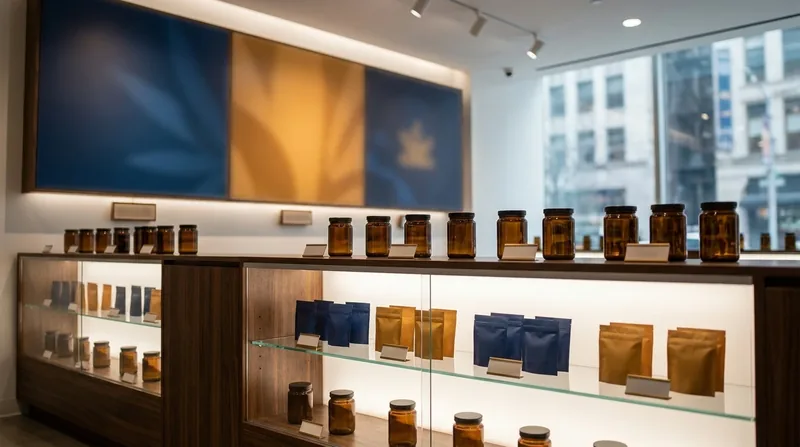
How to Start a Hemp or CBD Business in Tennessee (2026 Rules)
How to Start a Hemp or CBD Business in Tennessee (2026 Rules)
Introduction
Tennessee has become increasingly accessible for hemp and CBD entrepreneurs, with the state allowing hemp cultivation, processing, and retail sales under state and federal law. However, the hemp and CBD industry operates in a complex regulatory environment that bridges state licensing, federal compliance, and local permitting. This guide walks you through the steps to launch a hemp or CBD business in Tennessee, from understanding the regulatory landscape to obtaining necessary licenses and setting up operations.
Important Disclaimer: This article is informational only and does not constitute legal or tax advice. Hemp and CBD regulations are actively evolving at both federal and state levels. Before launching any hemp or CBD business, consult with a qualified attorney licensed in Tennessee who specializes in cannabis and hemp law, and work with a CPA experienced in hemp business taxation. The regulatory environment changed significantly in 2025–2026, and your specific business model may have additional or different requirements than outlined here.
Understanding Tennessee's Hemp Legal Framework
State Hemp Program Overview
Tennessee legalized hemp cultivation in 2018 under the federal Farm Bill, establishing a state hemp program managed by the Tennessee Department of Agriculture. The state allows licensed hemp producers to grow, process, and sell hemp products, including CBD-derived products. However, not all hemp-derived products are legal to retail or sell in Tennessee, particularly delta 8 THC and other synthesized cannabinoids, which operate in a legal gray area and may face restrictions depending on local jurisdiction and current FDA guidance.
CBD vs. Delta 8 vs. Full Hemp Products
Before launching, understand the distinctions your business will focus on:
- CBD (Cannabidiol): The non-intoxicating cannabinoid derived from hemp. CBD products are legal under federal law if derived from legal hemp (less than 0.3% delta 9 THC) but are not FDA-approved as food, supplements, or drugs. You may sell CBD as a "cosmetic" or "supplement" with strict labeling limitations.
- Delta 8 THC: A synthesized cannabinoid that creates mild intoxication. Delta 8's legal status in Tennessee is uncertain. Many cities and counties have banned delta 8 retail sales, and FDA guidance on synthesized cannabinoids is evolving. Verify local rules before selling delta 8 products.
- Full-Spectrum Hemp: Products containing all naturally occurring cannabinoids from the hemp plant. These products are legal if total delta 9 THC remains below 0.3% on a dry-weight basis (federal requirement).
We recommend consulting a Tennessee hemp attorney to clarify which product category aligns with your planned business model and local jurisdiction before investing further.
Step 1: Verify Local Zoning and Municipal Permits
Why Local Rules Come First
Even though Tennessee allows hemp retail at the state level, individual cities and counties have authority to ban or restrict hemp and CBD retail sales in their jurisdictions. Many Tennessee municipalities have passed local ordinances prohibiting delta 8, CBD sales, or both. You must verify your intended location before investing time or money.
How to Check Local Rules
- Contact your city or county clerk's office. Ask directly: "Does your city/county allow CBD retail?" and "Does your city/county allow delta 8 retail?" Get answers in writing.
- Request a copy of any local hemp, cannabis, or vaping ordinance. Search the city/county website under "ordinances" or "codes" for sections mentioning hemp, cannabinoids, or adult tobacco.
- Ask the clerk whether a special use permit, conditional use permit, or license is required for a hemp or CBD retail business.
- Verify setback requirements (distance from schools, parks, youth facilities). Many jurisdictions require hemp retail to be 500 to 1,000 feet away from schools.
Do this first. If your target location bans hemp or CBD retail, you may need to choose a different city or county.
Step 2: Choose Your Business Structure and Register with Tennessee Secretary of State
Select a Legal Entity Type
Most hemp and CBD businesses in Tennessee operate as an LLC or corporation. An LLC offers liability protection while minimizing compliance requirements, making it the common choice for small hemp retailers. Consult a Tennessee business attorney to determine the best structure for your situation.
File Your Business Formation Document
To form an LLC in Tennessee:
- Choose a business name that includes "LLC" or "Limited Liability Company." Check the name's availability at the Tennessee Secretary of State business search: https://tncab.tnsos.gov/portal/business-entity-search
- File Articles of Organization (Form SS-4270) with the Tennessee Secretary of State through the online portal https://tncab.tnsos.gov/portal. The filing fee is $300.
- Designate a registered agent and registered office in Tennessee. The agent must be an individual or organization with a physical street address in Tennessee, not a PO box. You can serve as your own registered agent.
- Obtain an EIN (Employer Identification Number) from the IRS at https://www.irs.gov/ein, even if you have no employees. This is free and can be done online immediately.
Processing time for Secretary of State filings is typically 1 to 2 business days via e-file. Once approved, you'll receive a Certificate of Organization, which you'll need for bank account opening and local permitting.
Step 3: Register with Tennessee Department of Revenue
Sales Tax and Business License Registration
All retail businesses in Tennessee must register with the Department of Revenue and obtain a sales tax permit.
- Register with the Tennessee Department of Revenue online through the Revenue and Licensing portal: https://www.tn.gov/revenue/taxes/sales-and-use-tax/registration.html
- Provide your EIN, business address, and business name.
- Receive your sales tax permit. Tennessee's state sales tax rate is 7%, plus local sales tax (varies by county, typically 1.5% to 2.75%). You collect and remit combined sales tax on hemp and CBD product sales.
- Confirm that hemp and CBD products are subject to sales tax in Tennessee, or verify whether a specific exemption applies to your product category by consulting the Department of Revenue.
County and Municipal Business License
Register with your county and/or city clerk for a local business license, even if your city/county does not specifically regulate hemp retail. Fees and requirements vary by location; contact your local clerk for the application. Typical fees range from $15 to $50 for a basic business license, but confirm the exact amount with your local jurisdiction.
Step 4: Obtain Local Hemp or CBD Retail Permits (If Required)
If your city or county has a specific hemp, CBD, or vaping retail ordinance, you may need to apply for an additional permit. Steps vary by jurisdiction:
- Request the application and fee from your city/county clerk or development/planning department.
- Provide proof of business registration (Certificate of Organization from Secretary of State), EIN, and proof of sales tax registration.
- May require: a site plan, proof of distance from schools, statement of the products you plan to sell, and proof of liability insurance.
- Pay the permit fee, which varies by location.
- Obtain the permit before opening. Display it prominently in your retail location.
Processing times vary by jurisdiction. Contact your local government for expected timelines and apply early to avoid delays before your planned opening date.
Step 5: Understand Hemp Product Compliance and Testing
Federal Compliance Requirements
All hemp products sold in Tennessee must comply with federal law:
- THC Content: Hemp-derived products must contain no more than 0.3% delta 9 THC on a dry-weight basis, per federal requirement. Test batches using a DEA-registered lab.
- Labeling: Include accurate cannabinoid content (CBD percentage, THC percentage), ingredients, warnings (do not use if pregnant, nursing, or taking medications), and batch or lot numbers. Do not make disease claims; CBD cannot be marketed as treating, curing, or preventing disease.
- Testing: Source products from suppliers who provide third-party lab testing reports (Certificates of Analysis or CoAs) confirming THC and CBD content and screening for pesticides, heavy metals, and microbial contaminants.
Tennessee-Specific Considerations
Tennessee's Department of Agriculture oversees hemp cultivation but does not currently mandate retail product testing. However, best practice and consumer expectation is to source only tested products. Verify with your supplier that all products have current Certificates of Analysis from independent labs.
Step 6: Source Products and Manage Inventory
Supplier Selection
You can source hemp and CBD products through wholesalers, distributors, or directly from hemp farms. Vet suppliers carefully:
- Request Certificates of Analysis for all products before ordering.
- Verify the supplier's business is registered and legitimate by checking the Secretary of State business search or requesting proof of business registration.
- Negotiate wholesale pricing and minimum order quantities.
- Understand the supplier's return and refund policy.
Inventory Management and Record-Keeping
Maintain detailed inventory records including product name, batch or lot number, THC and CBD content per Certificate of Analysis, supplier name, purchase date, and sale date. This protects you if a product is questioned by regulatory authorities and helps you identify any compliance issues early.
Step 7: Set Up Point-of-Sale and Tax Compliance
Sales Tax Collection
Implement a point-of-sale system that calculates sales tax correctly. Tennessee requires monthly or quarterly sales tax returns depending on your business volume. File returns and remit tax on schedule to avoid penalties.
Income Tax Considerations
Hemp and CBD business income is subject to Tennessee and federal income tax. However, Internal Revenue Code Section 280E prevents cannabis-related businesses from deducting ordinary business expenses on federal returns in certain circumstances. This rule's application to hemp and CBD products is legally unsettled. Consult a CPA experienced with hemp businesses to plan your tax strategy and avoid surprises at tax time.
Step 8: Obtain Business Insurance
Several insurance products are important for hemp and CBD retail:
- General Liability Insurance: Covers injury or property damage claims. Many standard policies exclude cannabis or hemp; look for carriers willing to cover hemp retail or find a specialty hemp-focused insurer.
- Product Liability Insurance: Covers claims related to defective or mislabeled products. Essential for hemp and CBD retail.
- Property Insurance: Covers your retail location, inventory, and equipment.
Consult with a local insurance broker for current rates and requirements specific to your location and product line.
Step 9: Obtain a Registered Agent (If Not Already Serving)
Tennessee law requires every LLC and corporation to maintain a registered agent and registered office at all times. The agent receives legal documents and official correspondence on behalf of your business. If you did not appoint yourself as registered agent during LLC formation, designate one now. If you move or change your registered agent, update your information with the Secretary of State within the required timeframe.
Step 10: Launch and Maintain Compliance
Opening Day
Before opening:
- Confirm all local permits are posted visibly in your retail location.
- Verify your sales tax permit is active.
- Review your supplier's Certificates of Analysis one final time to ensure all products meet federal THC limits.
- Train staff on age verification (CBD is typically sold only to adults 18 and older; some local ordinances require 21 and older).
- Set up your accounting and tax tracking system.
Ongoing Compliance Tasks
To remain compliant:
- Monthly or Quarterly: File sales tax returns and remit collected tax on schedule (consult your Department of Revenue registration for frequency and due date).
- Annually: File your LLC Annual Report with the Tennessee Secretary of State on or before April 1 (for calendar-year LLCs). The fee is $300. File your federal and state income tax returns by the deadline.
- Ongoing: Monitor local and state regulatory changes. Hemp and CBD regulations evolve; subscribe to updates from the Tennessee Department of Agriculture and Department of Revenue.
- Product Compliance: Periodically verify that your suppliers' products still meet testing requirements and that Certificates of Analysis are current.
Common Mistakes to Avoid
- Skipping Local Research: Assuming state-level legality means your city allows hemp retail. Local bans are common. Verify first.
- Selling Untested Products: Sourcing products without Certificates of Analysis or selling products that exceed the 0.3% THC federal limit exposes you to regulatory action and civil liability.
- Making Health Claims: Claiming CBD cures or treats disease violates federal law. Statements like "CBD heals anxiety" or "CBD treats epilepsy" are prohibited unless FDA-approved, which no CBD products currently are for retail sale.
- Neglecting Sales Tax: Failing to collect or remit sales tax can result in penalties, interest, and loss of your business license.
- Ignoring Regulatory Updates: Hemp regulation is dynamic. A product legal today may face restrictions next year. Stay informed.
- Operating Without Permits: Running a retail operation without required local permits is grounds for closure and fines.
Expected Timeline and Costs
Launching a hemp or CBD retail business in Tennessee typically takes 4 to 8 weeks from start to opening day, depending on local permitting. Key costs include:
- LLC Formation (Secretary of State): $300
- Registered Agent (if using a third-party service): $100 to $300 per year
- Sales Tax Registration: Free
- Local Business License: $15 to $50
- Local Hemp or CBD Permit (if required): Amounts vary by jurisdiction; confirm with your local clerk
- Business Insurance (annual): Rates vary; consult local insurers for current quotes
- Initial Inventory: $1,000 to $5,000 and up
- Legal Consultation: $500 to $2,000 and up (highly recommended)
For exact local permit fees and current insurance rates, contact your city or county clerk and local insurance brokers serving the hemp industry in Tennessee.
Next Steps
- Consult a Tennessee Hemp Attorney: Before filing anything, discuss your business model with a qualified attorney specializing in hemp law.
- Verify Local Rules: Contact your city or county clerk and verify hemp and CBD retail are permitted in your intended location.
- Form Your Business Entity: Once legal and local rules are confirmed, file your LLC or corporation with the Tennessee Secretary of State.
- Register with Authorities: Register with the Department of Revenue for sales tax and your local government for business licensing.
- Secure Inventory: Source products from reputable suppliers with current Certificates of Analysis.
- Obtain Insurance: Secure general liability and product liability coverage before opening.
- Open and Comply: Launch your retail operation and maintain ongoing tax, regulatory, and product compliance.
Resources and Official Contacts
- Tennessee Secretary of State (Business Formation): https://sos.tn.gov/businesses
- Secretary of State Business Search: https://tncab.tnsos.gov/portal/business-entity-search
- Tennessee Department of Revenue (Sales Tax and Business Licensing): https://www.tn.gov/revenue.html
- Tennessee Department of Agriculture: Contact the department for hemp program regulatory updates.
- IRS EIN Registration: https://www.irs.gov/ein
- Tennessee Small Business Development Center (Free Business Counseling): https://www.tsbdc.org/
- SBA Tennessee District Office: https://www.sba.gov/district/tennessee
Final Note
The hemp and CBD industry is evolving rapidly at both federal and state levels. Regulations, legal interpretations, and allowed products can change. Stay informed by monitoring the Tennessee Department of Agriculture, Department of Revenue, and your local government for updates. Consider joining a Tennessee hemp industry association or business group to stay connected with other operators and receive timely regulatory alerts. Most importantly, work with qualified legal and tax professionals throughout your journey to minimize risk and ensure compliance.
Keep exploring: related Tennessee guides
- How to Get a Dealer License in Tennessee
- How to Get an FFL in Tennessee and Open a Gun Store
- How to Open a Pawn Shop in Tennessee
- How to Open a Liquor Store in Tennessee
- How to Start an LLC in Tennessee
- Tennessee Business License
- How Much Does It Cost to Start a Business in Tennessee
- All Tennessee business types
- Every Tennessee guide in one place